iPhone 18 Pro Leak Tied to Tata Electronics Breach Points to Major Internal Design Shifts in Apple’s Next Flagship


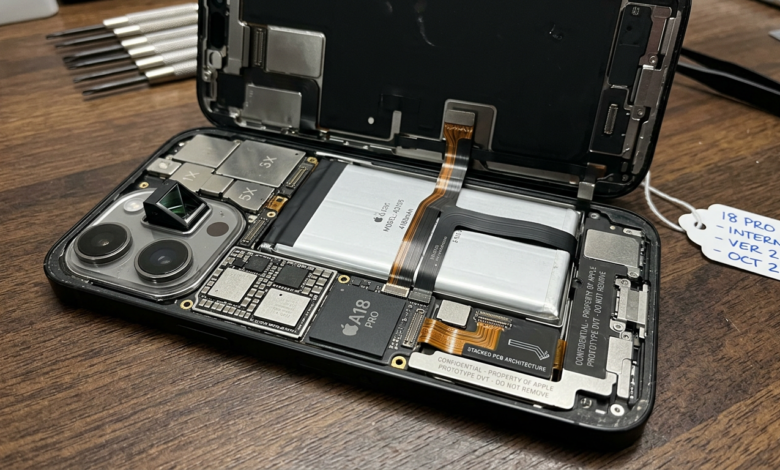
The iPhone 18 Pro leak has emerged as one of the most significant supply-chain security incidents involving Apple in recent years, after reports indicated that a cyberattack targeting Tata Electronics exposed a large volume of internal files linked to Apple’s next-generation iPhone development.
According to reporting from multiple international outlets, including Al Jazeera, the breach involved hundreds of gigabytes of data allegedly taken from one of Apple’s key manufacturing partners in India. The compromised material is said to include engineering documents, production testing data, and supply-chain records associated with upcoming Apple devices, including the iPhone 18 Pro expected in the 2026 product cycle.
Apple has not confirmed the authenticity of the leaked materials, and Tata Electronics has not issued a detailed technical statement regarding the scope of the exposed data. As a result, the information circulating online remains unverified, and any interpretation of design changes must be treated as provisional until corroborated by additional independent reporting or official disclosures.


Read Also:
Samsung Expands One UI 9 Testing to More Than 25 Galaxy Devices Ahead of Android 17 Rollout
IOS 27 beta release date Apple Fires Up Next-Gen Mobile OS Testing Ahead of Fall Launch!
What the Tata Electronics Breach Appears to Have Exposed
Based on the materials described in public reporting, the leaked dataset reportedly spans multiple categories of Apple’s supply-chain documentation, including component schematics, prototype validation imagery, and manufacturing test outputs. The scale of the breach has drawn attention primarily because it appears to extend beyond marketing material into early-stage engineering references typically restricted to suppliers and internal Apple development teams.
While the exact contents have not been independently validated in full, cybersecurity analysts quoted in coverage of the incident suggest that the data structure is consistent with large-scale supplier-level breaches that often precede hardware launch cycles.
Early Design Signals Point to a Smaller Dynamic Island
One of the most widely discussed elements emerging from the leaked material involves potential changes to Apple’s Dynamic Island system on the iPhone 18 Pro.
Engineering diagrams and component references circulating from the breach reportedly indicate a reduction in the width of the front display cutout area. Some interpretations suggest a shrinkage range of roughly 25% to 35% compared to current Pro models, although these figures have not been independently verified by Apple or third-party teardown analysis.
If accurate, such a change would increase usable screen space within the status bar area, potentially allowing for more persistent system indicators and reducing visual intrusion during full-screen content consumption. However, at this stage, the information remains tied to leaked documentation rather than confirmed product specifications.
Face ID Architecture May Be Undergoing Internal Relocation
The same set of leaked materials is also believed to reference adjustments in how Apple integrates Face ID components into the front display assembly.
Rather than introducing a fully redesigned front camera layout, the documentation appears to suggest incremental relocation of certain Face ID modules, potentially moving select infrared and depth-sensing components closer to or beneath the display layer. This approach would align with Apple’s long-term objective of reducing visible front-facing hardware without compromising biometric accuracy.
However, current reporting does not confirm full under-display Face ID implementation in the iPhone 18 Pro. Instead, the leak suggests ongoing engineering experimentation rather than a finalized production design.
Camera System Changes Remain Unconfirmed but Under Discussion
Beyond display and biometric systems, some of the leaked materials reportedly reference ongoing testing of new camera configurations for Apple’s Pro lineup.
Among the most discussed possibilities is a shift toward more advanced aperture control mechanisms, potentially including variable aperture experimentation for improved low-light performance and depth-of-field flexibility. These details, however, remain speculative interpretations of engineering references rather than confirmed product specifications.
Apple has historically maintained a conservative approach to mechanical camera innovations in its iPhone lineup, relying heavily on computational photography. As a result, any move toward mechanical aperture systems would represent a notable strategic shift, though no official confirmation exists at this stage.
Supply Chain Exposure Highlights Ongoing Security Risks
More broadly, the reported breach at Tata Electronics highlights the growing security risks embedded within global consumer electronics supply chains.
Apple relies on a complex network of suppliers across multiple regions, and security incidents at any single partner can potentially expose sensitive information related to future product development. While Apple typically compartmentalizes design data to limit full-system exposure, supplier-level leaks can still provide partial visibility into upcoming hardware direction.
Cybersecurity researchers note that such incidents do not necessarily guarantee accurate insight into final product designs, as prototypes often undergo significant changes before mass production begins.
What Remains Unknown About iPhone 18 Pro
Despite the volume of leaked material referenced in public reporting, key details about the iPhone 18 Pro remain unverified. These include final design specifications, confirmed hardware configurations, and whether any of the observed engineering changes will appear in the consumer-ready device.
At this stage, the iPhone 18 Pro leak should be understood as an early signal of development direction rather than a definitive preview of the final product.
The Bigger Picture for Apple’s Next Generation iPhone
If even part of the leaked direction proves accurate, the iPhone 18 Pro would continue Apple’s gradual shift toward minimizing visible front hardware while increasing internal integration of biometric systems and display components.
However, as with previous supply-chain leaks, the final production model may differ significantly from early engineering-stage documentation. For now, the industry is left with an incomplete but high-interest snapshot of Apple’s next flagship evolution—filtered entirely through the lens of an unconfirmed but widely reported supply-chain breach.
Discover more from Tech News Radar
Subscribe to get the latest posts sent to your email.