Satellite-Enabled Smartphones in 2026 The Ultimate Guide to Phones with Direct-to-Cell Connectivity


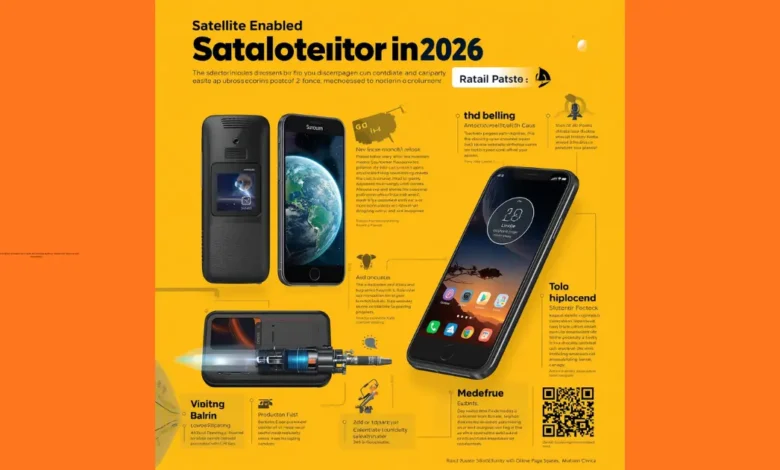
Satellite connectivity has rapidly evolved from a niche feature reserved for emergency responders and satellite phones into one of the most significant innovations in the smartphone industry. As mobile carriers expand beyond traditional cellular towers and partner with satellite operators, consumers are beginning to expect uninterrupted communication even in places where conventional networks simply do not exist.
For buyers in 2026, choosing a smartphone is no longer just about the camera system, processor performance, or battery capacity. Satellite communication has become an increasingly important consideration for outdoor enthusiasts, business travelers, journalists, emergency workers, and anyone who regularly visits remote areas where cellular coverage is unreliable. The emergence of Direct-to-Cell technology has also accelerated interest in smartphones capable of connecting directly with satellites without requiring bulky external antennas or dedicated satellite equipment.
This guide explores the leading satellite-enabled smartphones available in 2026, explains how the technology works, compares the strengths of each device, and highlights the factors buyers should evaluate before making a purchase.
What Is a Satellite-Enabled Smartphone?
A satellite-enabled smartphone is a consumer device equipped with specialized modem hardware and software capable of communicating with satellites instead of relying exclusively on terrestrial cellular towers. Unlike traditional satellite phones, modern smartphones maintain their familiar appearance while integrating satellite capabilities directly into their internal communication systems.
Today’s implementations vary considerably between manufacturers. Some smartphones only support Emergency SOS messaging, allowing users to contact emergency services when cellular coverage disappears. Others have expanded support for two-way satellite messaging, enabling conversations with family members or emergency contacts during off-grid adventures.
Read Also:
Starlink Satellite Internet Guide (2026): Speed, Costs, and Hardware Setup
The most significant development is Direct-to-Cell technology, where satellites function as space-based cellular towers. Instead of requiring users to carry specialized equipment, compatible smartphones communicate directly with low Earth orbit satellite constellations using industry-standard cellular protocols. As more satellite operators deploy these networks globally, smartphone manufacturers are increasingly integrating compatible modem technologies into flagship devices.
Apple iPhone: Leading Consumer Satellite Communication
Apple played a major role in introducing satellite communication to mainstream smartphone users when it launched Emergency SOS via Satellite. Since then, the company’s ecosystem has continued to mature, making the iPhone one of the most recognizable platforms supporting satellite-assisted communication.
The iPhone 14, iPhone 15, and iPhone 16 families continue to provide Emergency SOS via Satellite in supported regions, allowing users to contact emergency responders even when no cellular or Wi-Fi network is available. Depending on regional availability, some models also support satellite roadside assistance services and location sharing for trusted contacts.
Looking ahead, Apple’s newer flagship devices are expected to continue expanding satellite functionality as both satellite infrastructure and carrier partnerships evolve. While availability varies depending on the country and participating service providers, Apple remains one of the strongest choices for users who prioritize personal safety and emergency preparedness without sacrificing the premium smartphone experience.
Apple’s greatest strength lies in its seamless software integration. Rather than overwhelming users with technical settings, satellite communication is presented through intuitive system prompts that guide users toward the strongest satellite signal when conventional connectivity disappears.
Samsung Galaxy: Expanding Satellite Support Across Android
Samsung has steadily positioned its flagship Galaxy smartphones to take advantage of the growing Non-Terrestrial Network (NTN) ecosystem. By combining premium hardware with advanced Qualcomm modem technology, Samsung continues to prepare its devices for broader satellite communication capabilities as carrier partnerships expand worldwide.
Recent Galaxy flagship models incorporate modem platforms designed to support 3GPP Release 17 standards, which form the technical foundation for modern satellite-enabled cellular communication. This compatibility allows network operators to gradually introduce satellite messaging services without requiring consumers to purchase entirely new categories of hardware.
Samsung’s approach differs slightly from Apple’s by emphasizing open standards and collaboration with mobile carriers. As operators deploy satellite services through commercial partnerships, Galaxy users are expected to benefit from increasingly seamless transitions between terrestrial cellular networks and satellite coverage.
For Android users seeking long-term compatibility with emerging satellite services, Samsung remains one of the safest investments because of its close cooperation with chipset manufacturers, telecommunications companies, and international network standards organizations.
Google Pixel: Intelligent Software Meets Satellite Connectivity
Google has taken a software-first approach to satellite communication by integrating emergency satellite features directly into Android while using the Pixel lineup to showcase these capabilities.
Modern Pixel smartphones combine Google’s AI-powered software experience with advanced modem technologies capable of supporting satellite-enabled emergency communication in participating regions. The user experience focuses heavily on simplicity, guiding users through the connection process with visual instructions that help position the device for optimal satellite reception.
One advantage of Google’s ecosystem is its ability to improve satellite functionality through Android updates rather than relying solely on hardware revisions. As satellite communication standards continue evolving, Google’s software expertise may allow compatible devices to receive expanded capabilities more efficiently than traditional smartphone platforms.
Pixel devices are particularly appealing to users who value clean Android software, long-term operating system support, and intelligent emergency features integrated directly into the operating system.
Huawei Continues to Push Satellite Calling Innovation
Huawei has followed a different path from many Western smartphone manufacturers by investing heavily in satellite communication technologies designed for the Chinese market.
Several Huawei flagship smartphones already support satellite communication through China’s Tiantong satellite network, allowing users in supported regions to maintain communication even when terrestrial infrastructure becomes unavailable. Unlike many competing devices that primarily focus on emergency messaging, Huawei has demonstrated broader satellite communication capabilities in selected markets.
Although international availability remains dependent on regional regulations and network compatibility, Huawei continues to influence the industry’s direction by proving that satellite communication can become a practical feature for everyday users rather than merely an emergency backup.
For travelers operating primarily within supported regions, Huawei’s continued investment highlights how satellite communication is gradually becoming an integrated component of premium smartphone design.
Xiaomi’s Growing Presence in Satellite-Ready Smartphones
Xiaomi has also embraced satellite connectivity as competition intensifies among flagship Android manufacturers. While support differs by market and specific device configuration, the company has demonstrated a clear commitment to integrating advanced communication technologies into its premium smartphones.
Rather than focusing exclusively on emergency situations, Xiaomi aims to position satellite compatibility as part of a broader premium connectivity experience for professionals, international travelers, and outdoor enthusiasts.
As carrier partnerships expand across Asia and other international markets, Xiaomi’s flagship devices are expected to become increasingly compatible with commercial satellite communication services, further strengthening competition within the Android ecosystem.
How Direct-to-Cell Technology Changes Everything
The transition from emergency satellite messaging to Direct-to-Cell connectivity represents one of the biggest shifts in mobile communications since the introduction of 5G.
Traditional satellite communication required expensive dedicated phones equipped with specialized antennas. Direct-to-Cell changes this model by allowing compatible smartphones to connect directly with satellites that function similarly to conventional cellular towers.
Instead of building thousands of new towers in remote deserts, mountains, forests, or oceans, network operators can rely on satellite constellations orbiting the Earth to deliver basic communication services where terrestrial infrastructure is unavailable.
This technology has the potential to reduce coverage gaps dramatically while improving safety for millions of users who regularly travel beyond traditional network boundaries.
What Should Buyers Look for Before Purchasing?
Buying a satellite-enabled smartphone requires more research than simply checking whether the marketing materials mention satellite connectivity.
Consumers should verify which satellite features are actually supported, since some devices only offer emergency communication while others may gradually receive two-way messaging through software updates or carrier partnerships. Regional availability is equally important because satellite services are often limited by local regulations and agreements between smartphone manufacturers, satellite operators, and mobile carriers.
Hardware also plays an essential role. Modern flagship smartphones equipped with next-generation modem platforms supporting contemporary NTN standards are generally better positioned to receive expanded satellite capabilities as networks continue developing over the coming years.
Perhaps most importantly, buyers should confirm whether their preferred mobile carrier participates in satellite communication programs. Even when a smartphone includes compatible hardware, actual functionality may depend on carrier support within a specific country.
Is a Satellite-Enabled Smartphone Worth Buying in 2026?
For many consumers living in major cities with excellent 5G coverage, satellite communication may remain an infrequently used feature. However, purchasing a smartphone capable of connecting beyond traditional cellular networks represents a valuable investment in long-term reliability.
Outdoor adventurers gain additional safety during hiking expeditions, mountaineering trips, and camping excursions. Business professionals benefit from improved connectivity while traveling internationally. Emergency responders, journalists, researchers, and field engineers gain an extra communication layer that can prove invaluable when conventional infrastructure fails.
As satellite operators continue expanding Direct-to-Cell services and smartphone manufacturers introduce broader compatibility across future devices, satellite connectivity is steadily transitioning from a premium feature into an expected component of flagship smartphones.
Frequently Asked Questions
Which smartphone offers the best satellite connectivity in 2026?
Apple’s iPhone lineup currently provides one of the most mature satellite communication experiences for consumers, while Samsung continues expanding support through industry-standard technologies and carrier partnerships.
Can satellite-enabled smartphones replace traditional satellite phones?
Not entirely. Modern smartphones excel at emergency communication and selected messaging services, but dedicated satellite phones still provide broader communication capabilities in specialized professional environments.
Does satellite communication require a subscription?
It depends on the manufacturer, mobile carrier, and satellite service provider. Some emergency services are included with eligible devices for a limited period, while broader satellite messaging may eventually require carrier-supported service plans.
Will satellite messaging work anywhere in the world?
Coverage depends on satellite operators, local regulations, participating carriers, and the specific smartphone model. Availability continues expanding as additional satellite constellations become operational.
Final Verdict
Satellite-enabled smartphones are no longer experimental products aimed solely at extreme adventurers. They have become an increasingly practical option for mainstream consumers who value reliability beyond traditional cellular coverage. Whether you prefer the polished ecosystem of Apple’s iPhone, the open Android experience offered by Samsung and Google, or the innovative satellite developments introduced by Huawei and Xiaomi, today’s flagship smartphones are steadily moving toward a future where staying connected no longer depends exclusively on nearby cell towers.
As Direct-to-Cell technology matures and satellite networks expand worldwide, investing in a smartphone with satellite capabilities is becoming less about preparing for emergencies and more about ensuring continuous communication wherever life takes you.
Discover more from Tech News Radar
Subscribe to get the latest posts sent to your email.